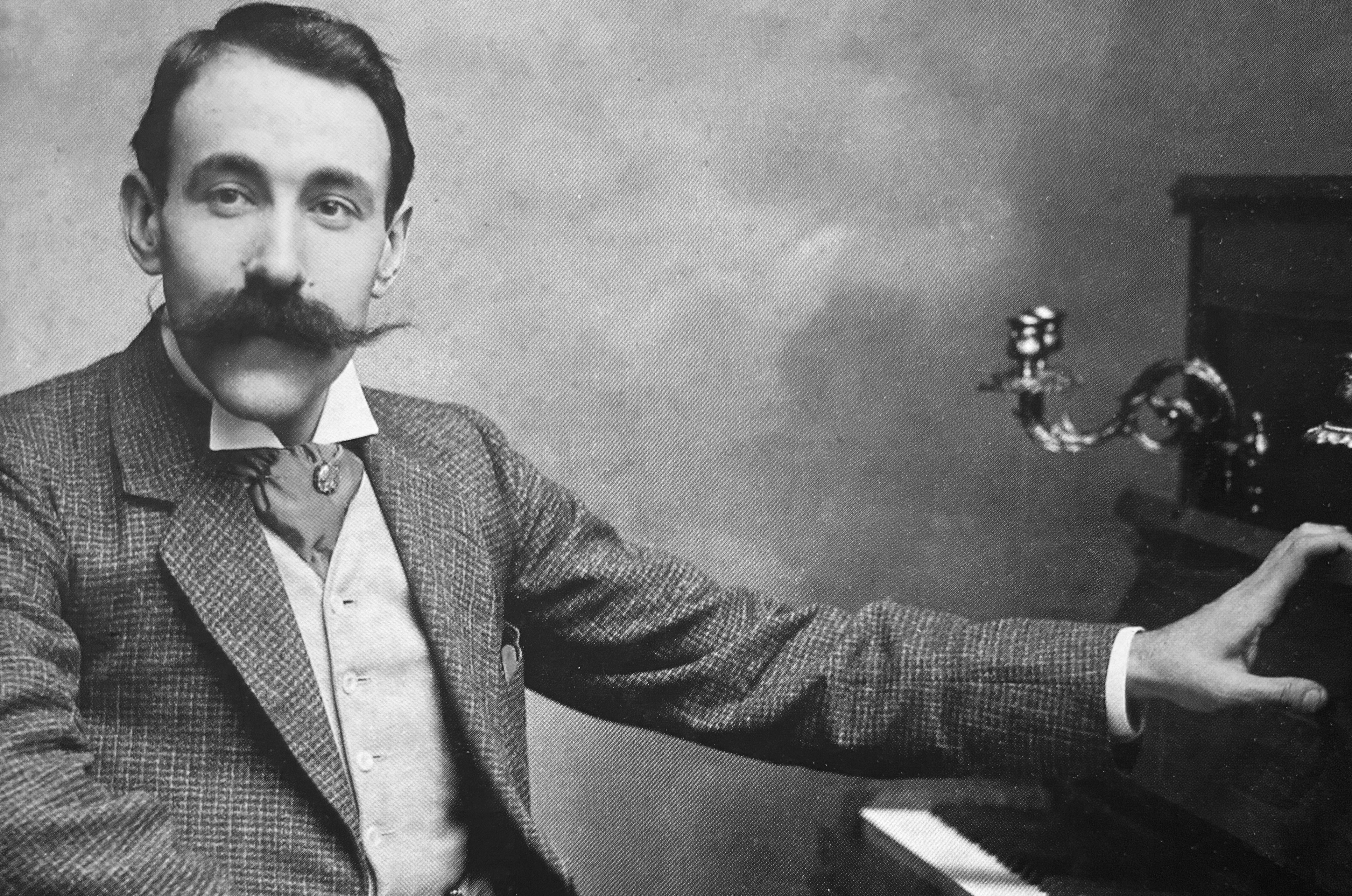
This year marks the 150th anniversary of the birth of Catalan musician Ricardo Viñes, who was born Ricardo Viñes y Roda on February 5, 1875. The great pianist has largely been forgotten today since he left behind barely an hour of obscure recordings, but he was an important musician associated with a great many still-popular scores that were new during his lifetime. Unfortunately, Viñes had a challenging life and career (his imagination got the better of him and he suffered psychologically), dying penniless in obscurity.

He was a classmate of Debussy and Ravel at the Paris Conservatoire, and premiered several of their works, as well as some Satie, Falla, and Albéniz. Debussy’s Poissons d’or and Ravel’s Oiseaux tristes were dedicated to him, as was Falla’s Noches en los jardines de España. It was Viñes who had convinced the composer to transform the latter from a set of solo pieces into a work for piano and orchestra, and he had been commissioned to make its first recording in 1928 but suffering from a last-minute health crisis, Aline van Barentzen took over at the last minute. He also gave the first performances of France of Mussorgsky’s Pictures at an Exhibition, Balakirev’s Islamey, and Prokofiev’s Sarcasmes.

I first came across Viñes in the late 1980s when I first encountered the beloved Marcelle Meyer, who was one of his piano students alongside her lifelong friend Francis Poulenc. Both raved about their teacher, as this testimonial by Poulenc makes clear:

𝘐 𝘢𝘥𝘮𝘪𝘳𝘦𝘥 𝘩𝘪𝘮 𝘮𝘢𝘥𝘭𝘺, 𝘣𝘦𝘤𝘢𝘶𝘴𝘦, 𝘢𝘵 𝘵𝘩𝘪𝘴 𝘵𝘪𝘮𝘦, 𝘪𝘯 1914, 𝘩𝘦 𝘸𝘢𝘴 𝘵𝘩𝘦 𝘰𝘯𝘭𝘺 𝘷𝘪𝘳𝘵𝘶𝘰𝘴𝘰 𝘸𝘩𝘰 𝘱𝘭𝘢𝘺𝘦𝘥 𝘋𝘦𝘣𝘶𝘴𝘴𝘺 𝘢𝘯𝘥 𝘙𝘢𝘷𝘦𝘭. 𝘛𝘩𝘢𝘵 𝘮𝘦𝘦𝘵𝘪𝘯𝘨 𝘸𝘪𝘵𝘩 𝘝𝘪ñ𝘦𝘴 𝘸𝘢𝘴 𝘱𝘢𝘳𝘢𝘮𝘰𝘶𝘯𝘵 𝘪𝘯 𝘮𝘺 𝘭𝘪𝘧𝘦: 𝘐 𝘰𝘸𝘦 𝘩𝘪𝘮 𝘦𝘷𝘦𝘳𝘺𝘵𝘩𝘪𝘯𝘨. … 𝘐𝘯 𝘳𝘦𝘢𝘭𝘪𝘵𝘺 𝘪𝘵 𝘪𝘴 𝘵𝘰 𝘝𝘪ñ𝘦𝘴 𝘵𝘩𝘢𝘵 𝘐 𝘰𝘸𝘦 𝘮𝘺 𝘧𝘭𝘦𝘥𝘨𝘭𝘪𝘯𝘨 𝘦𝘧𝘧𝘰𝘳𝘵𝘴 𝘪𝘯 𝘮𝘶𝘴𝘪𝘤 𝘢𝘯𝘥 𝘦𝘷𝘦𝘳𝘺𝘵𝘩𝘪𝘯𝘨 𝘐 𝘬𝘯𝘰𝘸 𝘢𝘣𝘰𝘶𝘵 𝘵𝘩𝘦 𝘱𝘪𝘢𝘯𝘰.
𝘝𝘪ñ𝘦𝘴 𝘸𝘢𝘴 𝘢 𝘥𝘦𝘭𝘪𝘨𝘩𝘵𝘧𝘶𝘭 𝘤𝘩𝘢𝘳𝘢𝘤𝘵𝘦𝘳, 𝘴𝘰𝘮𝘦 𝘬𝘪𝘯𝘥 𝘰𝘧 𝘴𝘵𝘳𝘢𝘯𝘨𝘦 𝘏𝘪𝘥𝘢𝘭𝘨𝘰 𝘸𝘪𝘵𝘩 𝘢𝘯 𝘦𝘯𝘰𝘳𝘮𝘰𝘶𝘴 𝘮𝘰𝘶𝘴𝘵𝘢𝘤𝘩𝘦, 𝘢 𝘣𝘳𝘰𝘸𝘯 𝘴𝘰𝘮𝘣𝘳𝘦𝘳𝘰 𝘪𝘯 𝘵𝘳𝘶𝘦 𝘉𝘢𝘳𝘤𝘦𝘭𝘰𝘯𝘢 𝘴𝘵𝘺𝘭𝘦, 𝘢𝘯𝘥 𝘣𝘶𝘵𝘵𝘰𝘯 𝘣𝘰𝘰𝘵𝘴 𝘸𝘪𝘵𝘩 𝘸𝘩𝘪𝘤𝘩 𝘩𝘦 𝘶𝘴𝘦𝘥 𝘵𝘰 𝘬𝘪𝘤𝘬 𝘮𝘦 𝘪𝘯 𝘵𝘩𝘦 𝘴𝘩𝘪𝘯𝘴 𝘸𝘩𝘦𝘯𝘦𝘷𝘦𝘳 𝘐 𝘸𝘢𝘴 𝘤𝘭𝘶𝘮𝘴𝘺 𝘢𝘵 𝘵𝘩𝘦 𝘱𝘦𝘥𝘢𝘭𝘴.
𝘕𝘰 𝘰𝘯𝘦 𝘤𝘰𝘶𝘭𝘥 𝘵𝘦𝘢𝘤𝘩 𝘵𝘩𝘦 𝘢𝘳𝘵 𝘰𝘧 𝘶𝘴𝘪𝘯𝘨 𝘵𝘩𝘦 𝘱𝘦𝘥𝘢𝘭𝘴, 𝘢𝘯 𝘦𝘴𝘴𝘦𝘯𝘵𝘪𝘢𝘭 𝘧𝘦𝘢𝘵𝘶𝘳𝘦 𝘰𝘧 𝘮𝘰𝘥𝘦𝘳𝘯 𝘱𝘪𝘢𝘯𝘰 𝘮𝘶𝘴𝘪𝘤, 𝘣𝘦𝘵𝘵𝘦𝘳 𝘵𝘩𝘢𝘯 𝘝𝘪ñ𝘦𝘴. 𝘏𝘦 𝘴𝘰𝘮𝘦𝘩𝘰𝘸 𝘮𝘢𝘯𝘢𝘨𝘦𝘥 𝘵𝘰 𝘦𝘹𝘵𝘳𝘢𝘤𝘵 𝘤𝘭𝘢𝘳𝘪𝘵𝘺 𝘱𝘳𝘦𝘤𝘪𝘴𝘦𝘭𝘺 𝘧𝘳𝘰𝘮 𝘵𝘩𝘦 𝘢𝘮𝘣𝘪𝘨𝘶𝘪𝘵𝘪𝘦𝘴 𝘰𝘧 𝘵𝘩𝘦 𝘱𝘦𝘥𝘢𝘭𝘴. 𝘏𝘪𝘴 𝘴𝘵𝘢𝘤𝘤𝘢𝘵𝘰 𝘱𝘭𝘢𝘺𝘪𝘯𝘨 𝘸𝘢𝘴 𝘦𝘲𝘶𝘢𝘭𝘭𝘺 𝘳𝘦𝘮𝘢𝘳𝘬𝘢𝘣𝘭𝘦. 𝘔𝘢𝘳𝘤𝘦𝘭𝘭𝘦 𝘔𝘦𝘺𝘦𝘳, 𝘩𝘪𝘴 𝘮𝘰𝘴𝘵 𝘣𝘳𝘪𝘭𝘭𝘪𝘢𝘯𝘵 𝘱𝘶𝘱𝘪𝘭, 𝘥𝘦𝘤𝘭𝘢𝘳𝘦𝘥 𝘵𝘩𝘢𝘵 𝘩𝘦 𝘮𝘢𝘥𝘦 𝘦𝘷𝘦𝘯 𝘗𝘦𝘵𝘳𝘶𝘴𝘩𝘬𝘢 𝘴𝘦𝘦𝘮 𝘦𝘢𝘴𝘺.
At the same time that EMI References was beginning to issue long-forgotten artists like Meyer, they also put out an equally brightly-coloured LP comprising the mere hour or so of short works that Viñes himself had set down for Columbia between 1929 and 1936.
Viñes was not a fan of the recording process (the same went for many a pianist at the time) and if not every work in his meagre discography is all sublimely presented, there is certainly some magnificent playing to be heard.
Here are a few specific recordings, followed by a playlist of his complete official output:
His 1930 disc of the seemingly forgotten Borodin Scherzo (which Rachmaninoff also recorded), played with exquisite tonal purity and robustness, transparent textures, marvellous pedal effects, fascinating timing (there are a few discreet stretches that I find very interesting), and deftly defined articulation. This beautiful transfer was effected by Tom Jardine, to whom all thanks.
The Albéniz Serenade Espagnole was recorded in his final sessions in 1936, and in this performance Viñes emulates the sound of the guitar quite wonderfully, crisply articulating to create a strumming effect with impeccable timing and shading.
His 1930 account of Falla’s Ritual Fire Dance showcases his wonderful rhythmic bite, crisp articulation, beautiful tonal palette, and marvellous pedal technique, his reading emphasizing the musical content rather using the work as a vehicle for ostentatious showmanship.
In 1930, Viñes recorded Debussy’s Poissons d’or, which was dedicated to him. In this transfer by Tom Jardine, we can appreciate his sumptuous colours, masterful pedaling, and beautiful dynamic shadings.
Debussy’s La soirée dans Grenade was also recorded in 1930 (it was published on the other side of the Poissons d’or record) and receives a glorious performance, with his sinewy phrasing and deeply resonant bass sonority contributing to the evocative atmosphere.
On the 20th anniversary of the death of Claude Debussy, Viñes spoke on the radio about his friendship with the composer, noting that he had premiered a number of works: Prélude, Sarabande & Toccata, Pagodes, Jardins sous la pluie, La soirée dans Grenade, Masques, L’île joyeuse, Reflets dans l’eau, Hommage à Rameau, Mouvements, Cloches à travers les feuilles, Et la lune descend sur le temple qui fut, Poissons d’or, and others (the latter having been dedicated to him).
Below is an upload with his complete recorded output. The St Laurent Studios label has issued his full discography as well (as CD or download), which is available here.
A master musician worthy of greater appreciation!
Many thanks to Frederic Gaussin for the superb photographs